 X (Twitter)



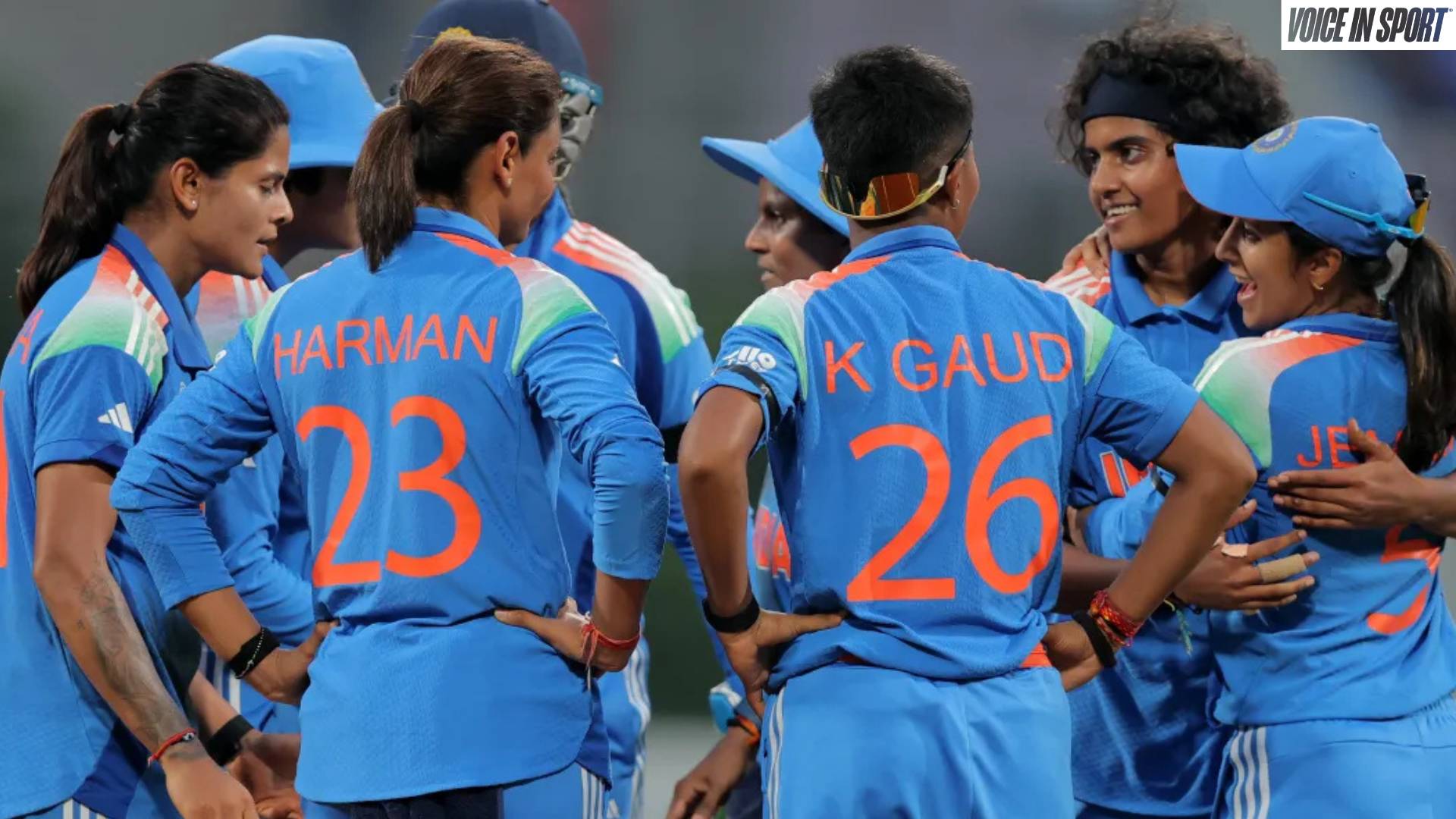
India versus Pakistan is never just another cricket match.
The rivalry carries history, emotion and pressure that stretches far beyond the boundary. India added another emphatic chapter on September 5, defeating Pakistan by seven wickets in Dubai after bowling them out for just 55 runs.
While the scoreboard reflected India’s dominance, the wider Women’s Asia Cup raised a different question: what does it actually take to run a major women’s sporting event properly?
The answer should be more than getting the players onto the field.
Tournament Timing
The 2026 Women’s Asia Cup is being played entirely at Dubai International Stadium with 15 matches scheduled during one of the hottest periods of the year. Dubai’s temperatures in the first part of September regularly reach around 40°C (104°F) or higher, with average early-September highs above 41°C (106°F).
The matches are being played under lights, which make the heat worse.
During the India versus Hong Kong match, a young spectator, estimated to be around 10 or 11 years old, collapsed in the stands amid temperatures above 40°C. As I was present in the stands, I attempted to locate assistance at the designated first-aid room and found no first-aid staff member present. No medic arrived during the period of observation.
Bystanders instead provided immediate assistance, including pouring water over the child’s head. After regaining consciousness, the child vomited, with the mess remaining uncleared for approximately 10 to 15 minutes. A staff member later suggested moving the child to an air-conditioned room, but no medical professional was present to assess the situation. The family eventually left the stadium, with no visible event staff assisting as the child made the journey out of the stands.
The Dubai heat is not simply uncomfortable for athletes and spectators, it can become a performance and safety issue.
Exercising in high temperatures increases the risk of dehydration and heat-related illness, while intense physical exertion adds further strain on the body’s ability to regulate temperature.
Heat stroke is the most serious form of heat-related illness and is a medical emergency. It occurs when the body can no longer regulate its temperature and without proper treatment, it can lead to permanent disability or death.
Hydration matters, but it is not the entire solution. Heat acclimatization, rest breaks, access to cooling, appropriate scheduling and rapid medical response are all part of protecting athletes and spectators when competition takes place in extreme conditions.
That experience changes the meaning of the word “accessible.”
The tournament has general admission for 10 group stage matches, an important step toward making women’s cricket more accessible to fans. Accessibility, however, is not just about whether someone can afford a ticket or not. It is whether they can enter a stadium and feel safe once they are there. That matters even more when there are kids in the stands.
It also matters for the athletes.
India’s players have repeatedly spoken about adapting to Dubai’s conditions. Indian vice-captain, Smriti Mandhana said, "It did feel like a steam box today. Dubai with the heat and the humidity, it can get a little tough.”
“It did feel like a steam box today. Dubai with the heat and the humidity, it can get a little tough.”
The Standard Beyond the Scorecard
Mandhana had already rewritten the record books earlier in the tournament, scoring 124 against Hong Kong to become the leading run-scorer in women's international cricket while also becoming the leading international century-maker with 18.
After India's win over Pakistan, Sree Charani explained that India's spin group had prepared collectively, saying the bowlers “sit together” to discuss their plans before focusing on execution.
Her performance showed what preparation can produce. Charani took 3/7 against Pakistan and was named Player of the Match. But even after one of the biggest performances of her young international career, her focus was already on what comes next.
“I need to continue more and want to do more for my country,” she said after the game.
Captain Harmanpreet Kaur's message was similar.
Despite India already qualifying for the semi-finals before facing Pakistan, she said the team needed to maintain its standards.
“It is very important to keep the standards high,” Harmanpreet said.
That standard should apply beyond performance.
Growth Without Compromising Safety
While India’s performance showed what thorough preparation can produce, the scheduling and locations of these major international tournaments remain questionable.
Women’s sport is constantly told to grow its audiences, but that growth cannot simply mean putting more people in seats. It has to mean investing in medical support. Better planning. Emergency response. Athlete welfare.
Perhaps most importantly, planning major women’s tournaments with the same seriousness that we expect from the athletes competing in them.
India against Pakistan deserves the spectacle, and the athletes deserve the platform. The players are doing their part with Mandhana continuing to break records. The infrastructure around them should be held to the same standards.
Everyone who walks through those stadium gates deserves to know that their safety matters, too. If you want women’s cricket to grow, you have to be willing to grow the standard around it.
