 X (Twitter)


Olympic athletes rarely have easy routes to competing in the Olympics. But for women Paralympians, the path is that much harder.
Facing adversity and overcoming physical and emotional barriers, the women who competed in the downhill category in March 7th’s Para-biathlon event inspired us all, and showed us that no matter what you face, it’s always possible to emerge victorious.
Downhill: Standing
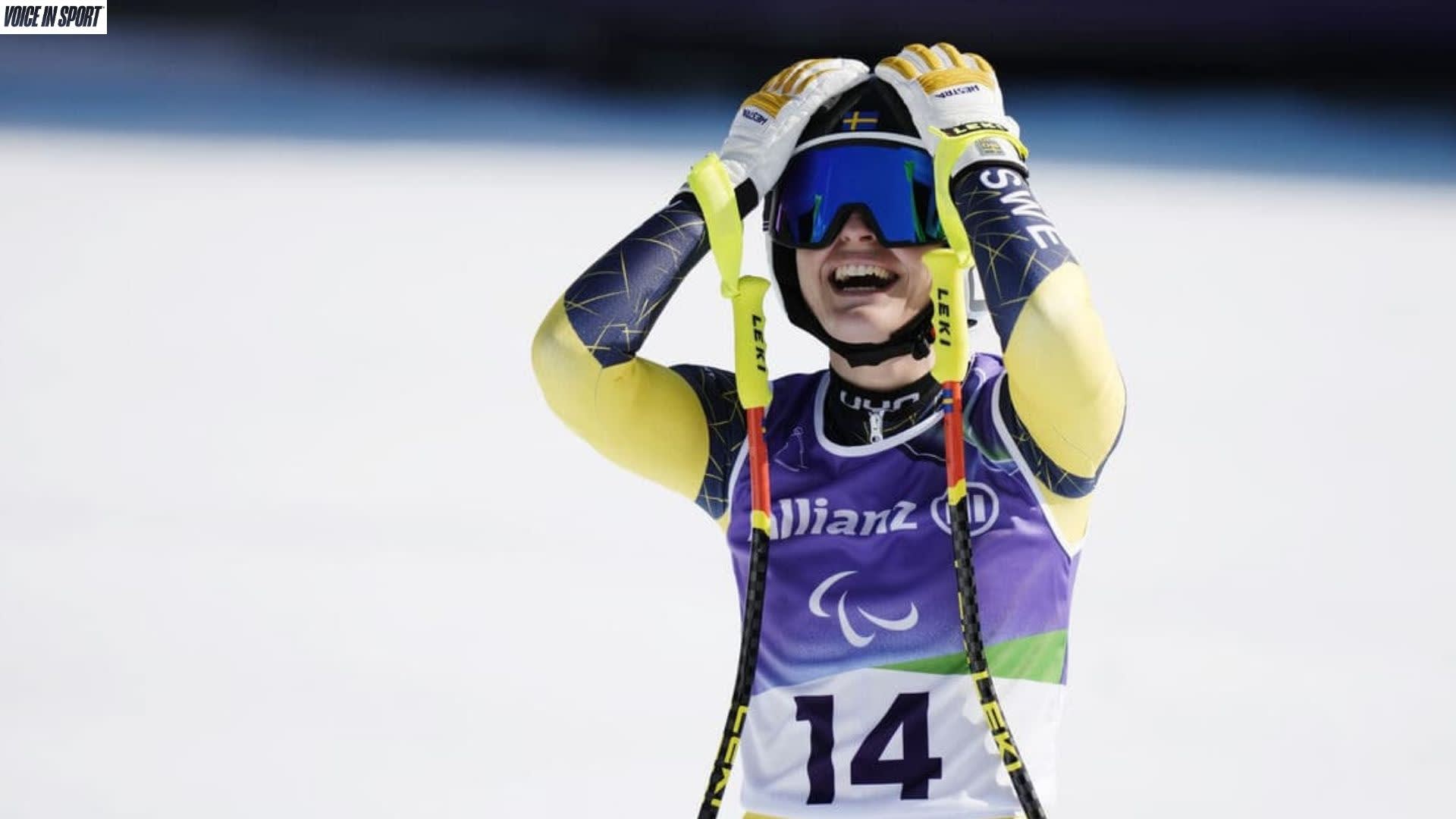
There are three categories of downhill skiing. Standing is the one that had the most athletes during the 2026 games, with 12 women athletes competing. Sweden’s Ebba Årsjö earned the gold, with France’s Aurélie Richard 1.71 seconds behind her.
Årsjö is no stranger to the podium. In the 2022 Beijing Paralympics, she won gold in the super combined and slalom events, before also capturing a bronze in the downhill event. For this feat, she won the Victoria Award, which is awarded to the athlete with the most impressive feats at the Olympics or Paralympics.
But the road to confidence was not linear for Årsjö. She was born with Klippel-Trenaunay syndrome, causing her right leg to look different than her left. While growing up, she often felt ashamed of her body, and tried desperately to fit in.
Speaking to the impact the Paralympics have had, she stated, “It's not only that I can keep skiing and competing against people with other disabilities. It’s more about how I view myself.” Having inspiration and role models to look up to in the Paralympics helped Årsjö be more confident in herself, and ultimately helped her to become a decorated Swedish Paralympian.
“I want other girls . . . to look at me and think, 'I can do that, too',” Årsjö said. Her gold medal is not only an accomplishment for her, but for all the other women athletes who look up to her.
“It's not only that I can keep skiing and competing against people with other disabilities. It’s more about how I view myself.”
Downhill: Sitting
This year, seven women athletes competed in the downhill sitting category. Germany’s Anna-Lena Forster took home the gold medal, with just 0.05 seconds separating her and Spain’s Audrey Pascual.
Born without a right leg, Forster now has four Paralympic medals to her name: she won two silver medals and one bronze at the 2014 Winter Paralympics. “I can’t believe it,” she said after winning on March 7th. “[Winning gold] takes you through all sorts of emotions.”
As a veteran athlete at this year’s Paralympics, this win means more to Forster. Her mantra for getting through was simple: “"I just tell myself: just do it, just go.”
Germany does not have many women athletes competing in Downhill skiing in the Paralympics, which Forster is hoping to change. As both an advocate for the Paralympics and a mentor to other athletes, she acknowledges that the odds are stacked against women para athletes. But she wants everyone looking up to her to know that change is on the way, and that despite what they think, there is always going to be space for them.
Downhill: Visually Impaired
This downhill discipline had seven women athletes as well, with Austria’s Veronika Aigner and her guide Lilly Sammar winning gold. Like Årsjö, Aigner also has many medals. Her medal on March 7th marked her third Paralympic gold medal.
Her sister Elisabeth has been Aigner's guide for most of her career, but just months before this year’s games, Elisabeth injured her knee and was unable to compete.
In the visually impaired category of downhill skiing, guides are crucial. Miscommunication with them can be devastating, and Lilly Sammer expressed her thoughts on not having had much practice with Aigner. “I was very nervous,” she explained, “[But] now I have the best feeling ever. I enjoyed it so much.”
Having such little time to adjust to a vital part of your run was daunting, but Aigner was able to overcome the odds. “We knew we would be faster than in training,” Aigner acknowledged, “But in the finish area we had so many feelings . . . we were so happy.”
Aigner’s gold was the first medal of the 2026 Paralympics, so she can only go up from there.
Moving Forward
The 2026 Milano Cortina Paralympics span from March 6th to 15th, with over 600 athletes competing across 6 different sports. The hype that the Olympics brings lives on for two more weeks, and downhill skiing is just the beginning.
Winning a gold medal in any sport isn’t easy, especially for Paralympic women athletes who have to overcome so many obstacles. But sometimes, as Årsjö, Ainger, and Forster proved, beating the odds is about believing in yourself—and inspiring so many others along the way.
