 X (Twitter)



Practicing and performing at the highest level is difficult. Doing it without access to dedicated training facilities is even tougher.
As investment in professional women's sports grows, organizations are taking a more intentional approach to designing training facilities for women athletes. Michelle Kang, owner of the Washington Spirit and London City Lionesses, recently shared that architects designing London's new training center discovered, “There are almost 100 elements that are different between men's and women's training centers.”
For VIS Mentor Maya Neal, those differences matter because they shape the environment athletes experience every day. The professional soccer player has long believed that everything from training surfaces to recovery resources influences an athlete's ability to succeed, making purpose-built facilities one of the biggest investments in women's sports.
Why Are Facilities Important?
Training facilities not only allow athletes to have access to multiple services in a single location, but they also offer them a place to reach their potential. A well-prepared facility makes for well-prepared athletes.
“You need somewhere that’s not a bunch of rocks or a dirt pitch or a terrible turf to train on in order to be great," Neal said. "Because it’s hard to see or reach your potential if you're in an environment that is not conducive to that."
Neal added that dedicated training facilities also increase athletes' motivation because they don't have a secondary status to someone else. When women athletes have spaces designed for them, they can train around their own needs instead of someone else's schedule, helping them perform at their best while supporting long-term career longevity.
Dedicated facilities also open the door to more resources than just a field or a basketball court. Mental support is crucial for athletes, and Neal emphasized that mental recovery can help athletes rise above their competitors and put on better performances.
“Having access to somebody who can help you with the mental side of your game… is very important because that kind of sets you apart from everyone else who’s also elite,” Neal said.
“It’s hard to see or reach your potential if you're in an environment that is not conducive to that.”
What Should Facilities Offer?
VIS Expert Stacy Sims, Ph.D., has always said that “women are not small men.” The same idea applies to training facilities. If women athletes have different physiological and performance needs, the spaces they train in should be designed with those differences in mind.
Today's leading women's training centers are increasingly built with those priorities front and center. Beyond practice surfaces and weight rooms, many now include specialized sports medicine clinics, nutrition support, sports science teams, hydrotherapy and recovery suites, mental performance specialists, and wellness spaces.
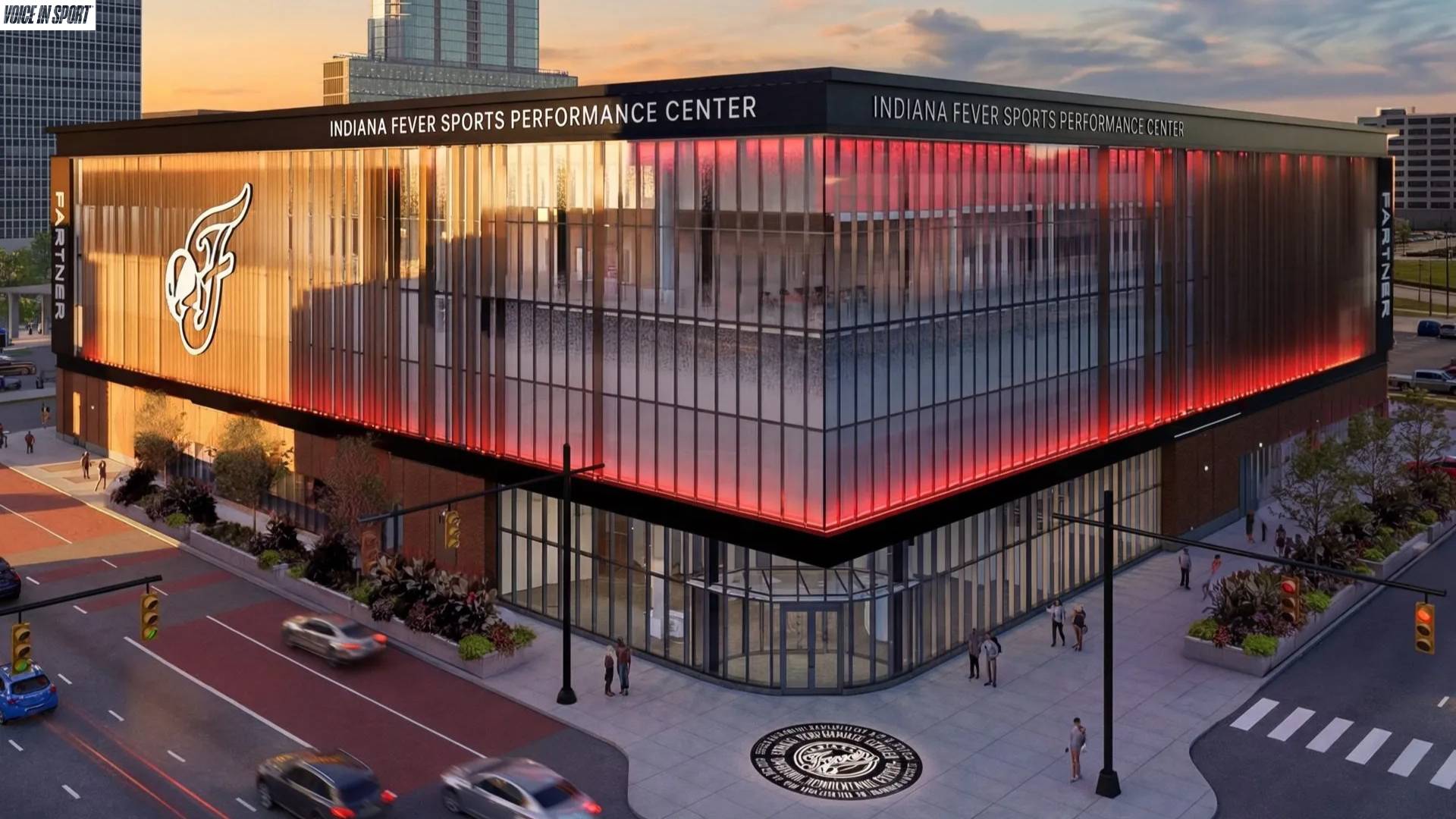
The Indiana Fever's Sports Performance Center, set to open before the 2027 WNBA season, reflects that evolution. In addition to those performance and recovery resources, the athlete-informed facility will include dedicated childcare, content production studios, hair and makeup salons, and individualized locker room spaces, giving players the resources to perform at their best, fulfill media and brand responsibilities, create personal content, and care for their families.
In the Meantime
While purpose-built facilities are becoming more common across women's sports, many athletes still train in spaces originally designed for men's teams. Until more organizations can create environments built specifically around women athletes' needs, Neal believes there are steps teams can take to close the gap.
She emphasized the importance of gender equity in existing facilities. If women athletes do need to share spaces originally designed for men's teams, organizations should ensure they have equitable access to resources, scheduling, and training time.
"Try to minimize the gap…it has nothing to do with the facility itself…but just how to…better utilize the time in those facilities," Neal said.
Neal also believes women athletes should have a voice in shaping the environments where they train. Consulting women athletes about their experiences and needs is an important step that she says "could be part of the greatest change."
Beyond performance resources, Neal encourages organizations to consider sustainability as they develop and improve facilities. Partnering with local businesses and using local resources can reduce environmental impact while strengthening relationships within the community.
Moving Toward Purpose-Built Facilities
Ideally, facilities would be designed specifically for women from the start. Kang came to that realization while planning London City Lionesses' new training center. She initially asked the architects to replicate one of the Premier League's top men's facilities. However, after the design team spent time observing the daily routines of professional women footballers, they found that women athletes move through and use training environments differently than men. Creating a carbon copy of the men’s facility was not enough.
"It takes research and it has to be intentional," Kang said. "It cannot be just, 'Oh my God, okay, let's just go buy something.'"
Architecture firm Populous has emerged as a leader in this movement, designing purpose-built facilities specifically for women athletes rather than retrofitting existing men's spaces. Projects including the Portland Thorns and WNBA Performance Center, the New York Liberty Practice Facility, the Chicago Stars FC Performance Center, the Golden State Valkyries Practice Facility, and Australia's Home of the Matildas reflect a growing commitment to athlete-centered design.
As facilities become part of how organizations attract and retain elite talent, investment in women athletes is becoming a competitive advantage. This summer, two-time Ballon d'Or winner and four-time Champions League winner Alexia Putellas left Barcelona after 14 years to join London City Lionesses, pointing to the club's ambition and Kang’s long-term investment in the women’s game.
“Competing in the WSL, it’s challenging to be part of an independent club. That was one of the reasons I became a London City player. There is no men’s team behind us,” Putellas said. “One of the things Michelle told me when we met was that women’s football is not charity. I really believe that. It doesn’t happen by accident—we have to work for it. As a football player, I’m going to give my 100% to help grow the industry, grow women’s football, and continue building this both on and off the pitch.”
By investing in purpose-built training facilities designed with women athletes in mind, sporting organizations can provide the resources and environments needed to support their performance and health. The nearly 100 differences between men’s and women’s training centers highlight that every design decision matters. As Kang and Neal emphasize, intentional, research-driven environments can help women athletes reach their full potential and build careers that flourish for years to come.
